Why Is Fueling Your Body Important When Training for a Marathon?
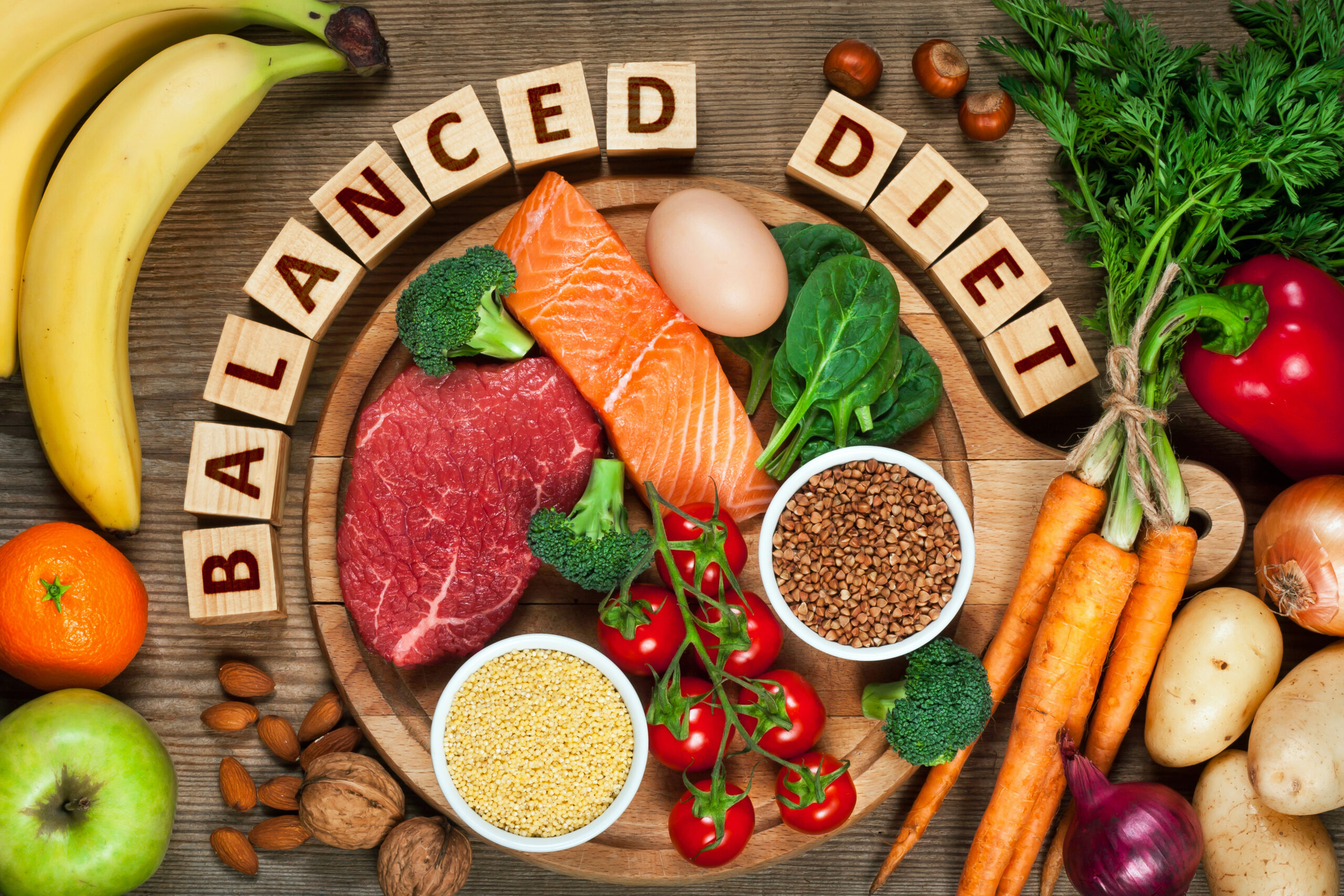
Running is easy — you just put one leg in front of the other and keep pushing. But the hardest part is how you’re fueling your body. Maintaining a balanced diet during marathon training is crucial because your nutrition is what’s going to carry you to the finish line.
After you’ve built your endurance and learned how important rest days are, the next step is understanding how to fuel your body the right way.
Building a solid nutrition plan during your training is huge. Think about it like this — can you drive a car without gas? No. And just like you can’t drive a car without fuel, you can’t run 26.1 miles without feeding your body properly. Balanced nutrition is what powers every mile.
My 3 Biggest Tips for Fueling
1. Prioritize Your Protein for Recovery
Running breaks your muscles down, so it’s important to recover with high-quality protein. These are my top lean protein options that help rebuild strong muscles:
Eggs
Chicken or turkey
Protein shakes
High-protein pastas
2. Carbs
You know why I love running? Because I love carbs!
A lot of people think they need to restrict carbs when trying to “eat healthy,” but when you’re running, it’s important to eat them carbs are what fuel your body mile after mile.
My favorite healthy carb options are:
Fruit
Brown rice
Whole-wheat pasta
Whole-wheat bread
3. Hydration
Hydration is more than just drinking water — especially before a long run.
You want to make sure you’re drinking enough water throughout the day and balancing it with electrolytes. Your hydration levels directly impact your endurance and your pace.
The more dehydrated you are, the more tired, heavy, and sluggish you’ll feel during long runs.
4. Pre-Run & Post-Run Fueling
Here’s the simplest breakdown:
Before your run:
Easy-to-digest carbs
A little protein
Minimal fat
Easy-to-digest carbs
A little protein
Minimal fat
Examples:
A banana and toast, a granola bar, or a light protein shake.
After your run (within 30–60 minutes):
High protein
Complex carbs
Plenty of hydration
High protein
Complex carbs
Plenty of hydration
This is the window when your muscles absorb nutrients the fastest.
Listen to Your Body
The more you run and the more you train, the better you’ll understand what your body needs to stay fueled. It’s not about perfection — it’s about paying attention to how you feel and adjusting based on your energy, recovery, and performance.
Below is a video that can help you prepare realistic meals throughout the day.


You explained fueling so well it really is the make or break factor in marathon training. Your tips are super practical too, especially the reminder that carbs are your friend when you’re running long distances.
ReplyDelete